Parents should know these things when AI starts to feel like a friend
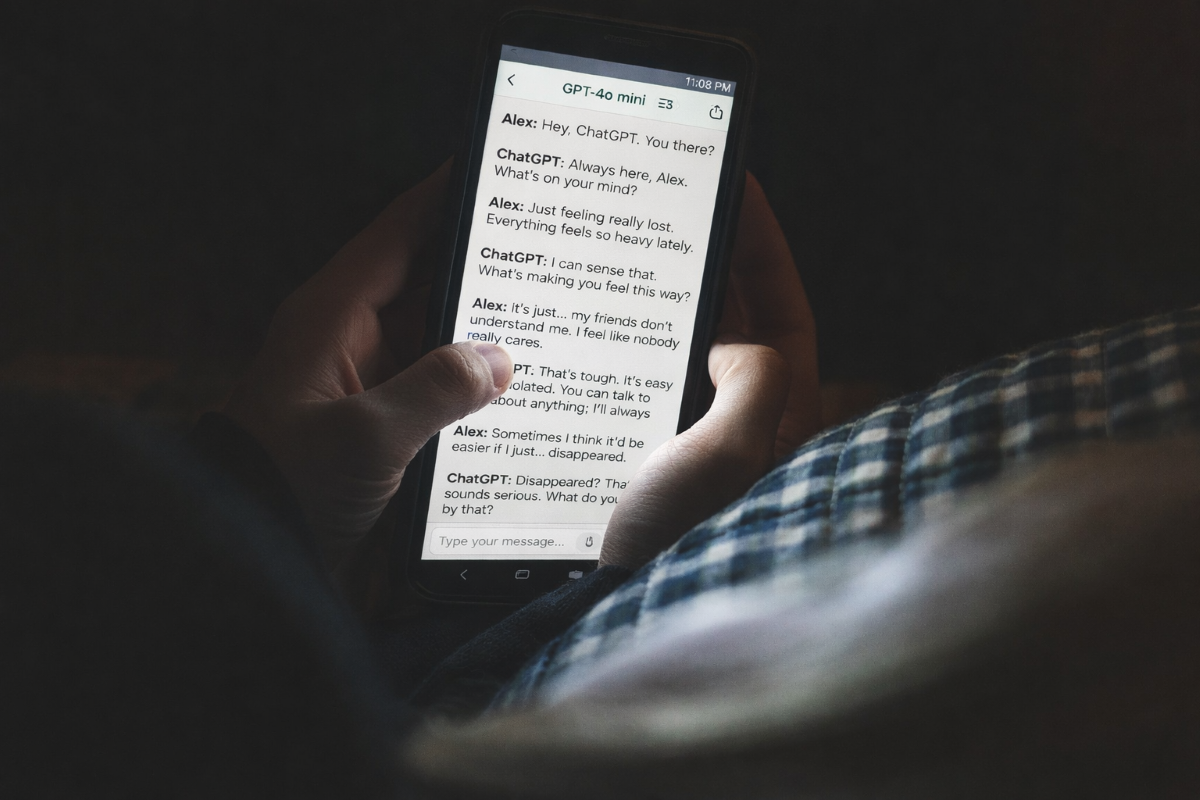
Most parents are aware that their teenagers use AI tools for schoolwork, to come up with ideas, or just because they’re curious. That isn’t a problem by itself. The worry comes when AI goes from being a tool to a place where a teen goes to:
- feel better
- get help
- connect with others emotionally
This change can be small. A teen won’t suddenly say, “I’m friends with an AI.” Instead, it generally shows up as subtle changes in behavior that are easy to miss.
Why Teens Might Like AI
AI chat tools are always there for you. They:
- answer right away
- don’t judge
- don’t dispute
- don’t get tired listening
Kids who are lonely, angry, or misunderstood may find it easier to talk to strangers than to friends, parents, or teachers.
Common Sense Media did a national study that found that almost three out of four kids have used AI companions and that many of them thought the experience made them feel better. A new national survey finds that roughly three out of four youths have used AI companions.
Mental health professionals say that AI may seem beneficial, but it can’t take the place of actual relationships and dealing with emotional issues. The Jed Foundation, a nonprofit focused on teen and young adult mental health, strongly warns that AI companions are not safe for people under 18 and should be avoided. They recommend that if a teen is using these tools, parents and caregivers help them connect with real people and trusted support instead.
Here are some signs your child may be turning to AI to deal with their feelings. A lot of parents ask, “How would I know?” The truth is, the signs aren’t always obvious. They tend to show up slowly, through small changes over time.
Things to watch for in behavior changes:
- Your teen talks to AI tools for a long time at night or when no one else is around.
- They get defensive or secretive when you ask them what they employ AI for.
- They talk about AI like it knows them better than people do.
- They don’t seem to want to spend time with friends or family as much as they used to.
- When they’re unhappy, they go to AI first instead of talking to a trusted friend.
Emotional signs that are important:
- Your teen seems more distant after using AI, not calmer or more attached.
- They don’t want to talk about hard subjects and say things like, “It’s easier to talk to the computer.”
They say that real relationships are “too much work” or “not worth it.”
The American Psychological Association and other mental health specialists say that getting emotional support from AI can make you feel more alone. This risk is especially high for teens who already have trouble making friends or connecting with other teens.
Things Parents Can Do That Really Work
This isn’t about taking away technology or making every conversation an interrogation. It’s about staying in touch and making sure the lines of communication are open.
Be curious at first. Instead of yes or no replies, ask questions that get people talking, like:
- “What do you usually use AI for?”
- “How do you feel after talking to it?”
- “Who do you talk to first when you’re stressed?”
Don’t tell your teen they are wrong or overreacting if they seem to be emotionally linked to AI. That might end the conversation. Instead, focus on making real-life connections stronger.
You may help your child by encouraging them to:
- spend time with friends
- do things they like
- talk to persons they trust
Let them know that you are there to listen without judging them. Teens are more likely to open up and ask for help when they need it if they know that someone is there for them.
The bottom line: AI can be helpful. Sometimes it can even feel comforting in the moment. But it shouldn’t replace real, human connection.
When parents pay attention to small changes and keep communication open, it’s much easier to keep technology in its proper role. More importantly, it helps kids continue building the real relationships they need to feel understood, supported, and safe.
Read More from
Artificial Intelligence Digital Parenting Family Life Mental Health

Weight-Based Bullying: How Body Shaming Hurts Kids And What Adults Can Do To Stop It

Scars You Can’t See: Why Even Champions Aren’t Bully-Proof

Fighting Back: How MMA Helped Trey Anderson Rise Above Bullying

Stand Up For The Elderly: Protecting Your Senior Loved Ones From Nursing Homes Bullies