
Weight-Based Bullying: How Body Shaming Hurts Kids And What Adults Can Do To Stop It

Many parents would like to believe that their children are perfectly happy with the way they look and that their appearance is one of their least concerns among other pressing matters. But in truth, a lot of kids deal with body issues, and as early as the age of five, they may start to express concerns about their shape or appearance. Girls, in particular, start to feel dissatisfied with their bodies at a very young age, and a study has revealed that 6- to 8-year-old girls wished that they were significantly slimmer than their current figure.
Various factors can contribute to a child’s negative body image. Constant exposure to filtered images on social media can cause feelings of inadequacy in kids, while pressure to conform to a certain look can lead to body dissatisfaction. Being teased and bullied about their weight can also harm a child’s self-esteem, and over time, it can lead to negative long-term health consequences and affect different aspects of their life. Here’s how body shaming hurts kids, and what you can do to stop it.
Unhealthy Coping Behaviors
As your child becomes more aware about how people perceive them based on how they look, you’ll start to see changes in their behavior, and you’ll also notice how they seem to put more effort into enhancing their physical appearance. They may suddenly change their style and wear baggy clothing to hide their shape, or eat a little less during meals. Some even take extreme measures to achieve their weight goals, and one survey has found that 35 percent of children skip meals as a way to drop the pounds, while others take laxatives, diet pills, or diuretics to manage their weight.
These unhealthy methods are not only dangerous, but they could also be the reason for not making weight loss progress since the human body sees calorie restriction as a cause for alarm. Being deprived of calories kicks off the body’s survival mode, preventing your child from losing weight. If your child sees no noticeable signs of weight loss despite their attempts, they may start to feel discouraged or hopeless, and these feelings become intensified if they experience weight-based bullying.
To deal with their emotions, kids may turn to unhealthy coping behaviors, such as emotional eating. A lot of children do this whenever they want to soothe their feelings after a stressful encounter with a bully since food is associated with safety and comfort. However, this can lead to eating disorders like binge eating, which can pose significant health risks later on. Your child may also isolate themselves and avoid being in public places or school, where they feel most vulnerable to teasing. They may even exhibit self-harming behaviors such as cutting or burning to cope with emotional pain and intense anger.
Anxiety and Depression
Many people associate obesity with undesirable traits such as laziness, lacking willpower, or being unintelligent, and studies show that kids who have negative attitudes towards weight are more likely to tease and bully a child who appears overweight. Being constantly teased about their weight can take a toll on your child’s mental health, and over time, they may develop anxiety or depression, which can be carried over from adolescence into adulthood. Previous studies have found that post-traumatic stress disorder is typically diagnosed in patients who were bullied, and having PTSD due to weight-based bullying can affect a person’s quality of life.
The signs of anxiety and depression due to body shaming can be easy to miss, especially if your child is naturally introverted or if they’re not particularly expressive about their feelings. So as a parent, you need to be on the lookout for behavioral signs such as bed wetting, changes in their sleep patterns, extreme sadness, making negative comments about their appearance, or avoiding clothing that shows parts of their body. They may also start sneaking food or experience sudden weight gain due to binge eating.
Protecting Your Child From Body Shamers
It can be heartbreaking to know that your child is being bullied for their weight. To prevent your little one from developing mental health disorders and turning to unhealthy coping habits, you’ll need to provide immediate and emotional support to let them know that you’re on their side. Listen and validate their feelings, and let them know that it’s not their fault that they’re being bullied and that they don’t deserve it all. Emphasize that nobody, regardless of their appearance, deserves to be teased, and reiterate that the bully’s behavior is the problem and not their size.
Next, teach them to use assertive language when dealing with bullies. For instance, if someone comments on their weight, tell them to say something like, “I don’t need your approval, but thank you anyway,” or “My weight is none of your business, I’m fine with the way I look.” Also, advise your child not to react emotionally since that’s what bullies are looking for. If they don’t feel like responding, teach them to calmly walk away and try not to show the bully that they’re upset. You should also encourage them to stay with their friends, particularly in areas where the teasing is most likely to occur, like the hallways or the school canteen.
At home, practice body positivity and avoid making comments about someone else’s weight or eating habits. Also, never make negative comments about your own body, and model healthy behaviors like eating a balanced diet and making time for exercise. Instead of putting the emphasis on achieving the “right” figure, explain that healthy habits can help everyone to avoid illnesses or that they allow a person to perform well at school, sports, or work. Helping your child understand the true benefits of having a healthy weight fosters a committed dedication to healthy behaviors, rather than focusing on factors like appearance and societal standards.
Body shaming can put a strain on your child’s physical and emotional health, so protect them from weight-based bullying at all times. If your child has developed an eating disorder or mental health problems due to body shaming, consult an expert to help them cope and guide them towards better health.
Read More from
Bullying Early Childhood Mental Health
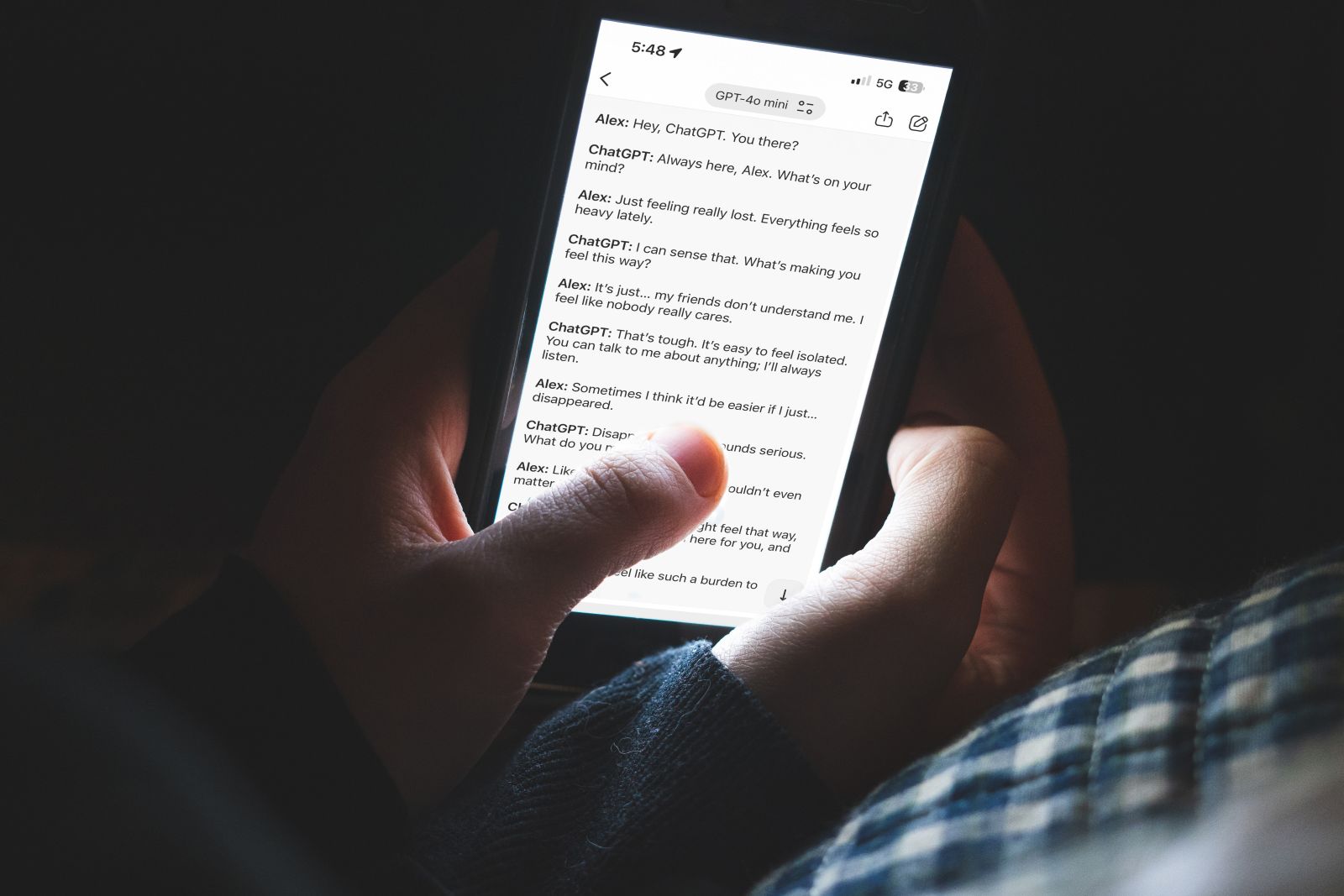
Parents should know these things when AI starts to feel like a friend

Voices Against Bullying: Nacho and Ciscoh raise awareness against bullying through their powerful new remix video.
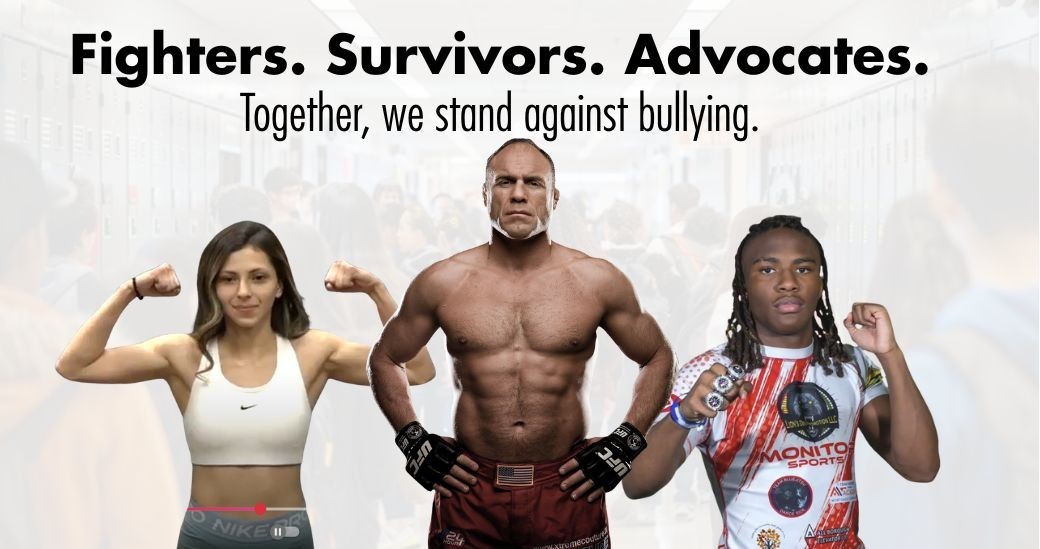
Scars You Can’t See: Why Even Champions Aren’t Bully-Proof

Fighting Back: How MMA Helped Trey Anderson Rise Above Bullying
Stand Up For The Elderly: Protecting Your Senior Loved Ones From Nursing Homes Bullies
